


From pregnancy to child-rearing
The same station stays involved from pregnancy through birth and the child-rearing years.
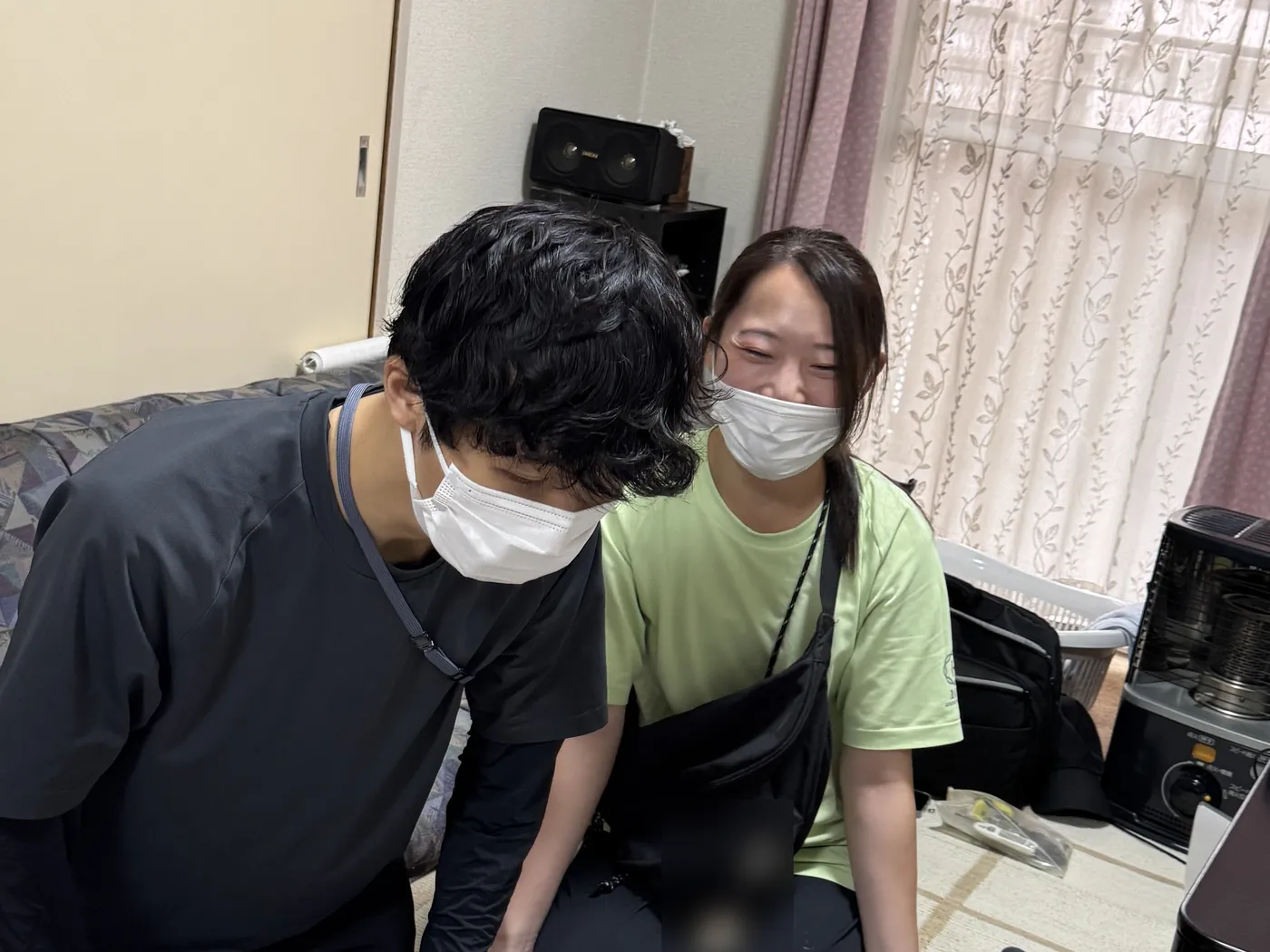
Pediatric & Maternal Home-Visit Nursing
Home-visit nursing is not only for older people. Children aged 0–18 and mothers raising children can use it too. Please do not carry it alone—talk to us.
In home-visit nursing, nurses and rehabilitation staff come to your home to provide medical care, health checks and rehabilitation. It is often thought to be for older people, but it can also support children aged 0–18 and their families.
Before raising children becomes too hard, we hope you will know that home-visit nursing is one option.
We focus on what your family is struggling with and what you would like help with. For children:
For mothers: advice on child-rearing; time to rest (respite / longer visits); support for high-risk pregnant and postpartum women; support during postpartum depression; support for mothers with mental health conditions; checking how you care for your child.
The same station stays involved from pregnancy through birth and the child-rearing years.
Not only the child, but also mother, father and siblings.
Nurses, physical therapists and occupational therapists work in the same office, so we can support both health and development.
We work with your doctor, the public health center, nursery schools and schools, the ward office and others as needed.
By phone, the contact form or Instagram. You can also ask staff at your hospital or service provider to tell us.
We hear your concerns and decide the support together. A trial visit is also possible.
Your attending doctor issues a "home-visit nursing instruction form." We can also suggest how to request it from the hospital.
About one to three times a week. Visits are mainly on weekdays 8:30–17:30.
He drank milk poorly and gained weight slowly, and the family was anxious. We visit three times a week to check and help with feeding, weigh him regularly, and listen to the family about child-rearing.
The nursery school pointed out delayed development, and there were few chances to talk with people outside the family. We create time with others, encourage motor development through play, and build language and communication skills.
With an older brother too, the mother was very busy. We watch the twins while she takes the brother to nursery, help with feeding and diapers, and give advice on child-rearing, development and check-ups.
He was not attending school and rarely went out, with days and nights often reversed. We visit during the day to set a daily rhythm, create contact with others, check health and appointments, and work with the school and ward office as needed.
Yes. You can start from "I don't know if home-visit nursing suits my child."
We mainly visit the Abeno, Nishinari, Sumiyoshi, Higashi-Sumiyoshi, Naniwa, Tennoji, Hirano, Suminoe and Ikuno Wards of Osaka City. Please ask about other areas. The costs shown here assume Osaka City's Child Medical Expense Subsidy and differ by municipality.
Something that confirms your insurance (such as your My Number health insurance card) and your child medical certificate. If you use other public medical programs, please bring those certificates too.
Costs not covered by insurance (such as container fees) are not subsidized. We will explain before visits begin.
Please feel free to contact us. Our visiting area is the Abeno, Nishinari, Sumiyoshi, Higashi-Sumiyoshi, Naniwa, Tennoji, Hirano, Suminoe and Ikuno Wards of Osaka City; please ask about other areas as well. Reception hours: weekdays 8:30–17:30.
Our staff mainly communicate in Japanese. For inquiries in English or Chinese, please write to us using the contact form.
Our staff communicate mainly in Japanese. For inquiries in English or Chinese, please write to us using the contact form.
Contact formOffice hours: Mon–Fri 8:30–17:30 (Japan time; closed during the New Year holidays)